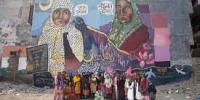
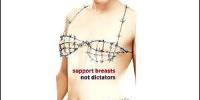
Daniel Hewson describes the use of protest posters and the work of collective, Burning Museum, and artist, Faith47, in the Fees Must Fall movement taking place in South Africa:
Brooklyn deli re-brands as artisanal emporium to protest rent hike
The owners of an imperiled Boerum Hill deli have staged an “artisanal takeover” of their 25-year-old corner store, re-branding products with yuppified names and jacking up prices to illustrate the kind of shop that could afford the 250-percent rent hike they say the store’s landlord is demanding.
Activists gate-crashed a retirement dinner for outgoing HMRC boss Dave Hartnett in Oxford, presenting him with flowers and a fake award for allowing large companies to avoid paying tax.
Forensic Architecture's Cloud Studies is a project that investigates the impact of toxic clouds on colonised and oppressed communities. The clouds, originating from sources like tear gas, industrial emissions, chemical weapons, and forest fires, often go unaddressed due to doubt and denialism.
"FTSE" is Birmingham-born producer and rapper Sam Manville. As an anti-captialist, he though it would be funny to take the name of the British stock market index (Financial Times and Stock Exchange), but he also jokes the acronym stands for "Fuck The System, Ennit.”
For an art project about the effects of white privilege and the disturbing ways in which its effects are built into our society, Risa Puno’s The Privilege of Escape is a surprisingly fun, even enjoyable experience.
Loophole for All is a service to democratize offshore business for people who don't want to pay for their riches. It empowers everyone to evade taxes, hide money and debt, and get away with anything by stealing the identities of real offshore companies.
Loophole for All exploits tax and legal accountability loopholes available by registering a company in countries considered
offshore centers.
First Inspired by a doll-sized action in Siberia, #occupysmallstreet staged its first little protest in Melbourne's City Square, as part of #F12, International Art + Occupy Day. Signs are made collectively, by regular Arts x Activism and members of the public (adults and children) who stop by and have something to add.
In 2012, visual artist Shilo Shiv Suleman started Fearless in response to the powerful protests that shook the country in response to the “Nirbhaya” tragedy in Delhi, India.
We were aiming to raise awareness and empathy around the theme of loneliness and disconnection, by engaging with passers by on a personal level and helping them to think about what they could do to make others feel less disconnected.
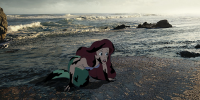
Jeff is an animation storyboard artist from Los Angeles, previously working as an animation artist on several famous Disney movies. He uses his talent to produce work highlighting environmental and social issues worldwide with Disney characters, called Unhappily Ever After. His work includes images of Elsa from Frozen on melting ice caps and Alice from Alice & Wonderland taking drugs down a dark alley.
In 2016, the Guggenheim Museum commissioned its very first robotic artwork called Can’t Help Myself (Wannmann, 2016). The artwork is created by two of China’s most controversial artists Sun Yuan and Peng Yu and can be described as a robotic arm that has one specific, life-long duty: to prevent the deep-red, bloodlike liquid, which constantly oozes outwards, from straying too far (Weng, n.d.).
From Public Delivery:
"The art piece, which was showcased at the Flashpoint Gallery in Washington D.C. from February 1 to 17, 2019, allowed visitors to interact with it. The audience had a pile of crumbs placed right in front of the three-walled setup, which they would through and watch as ‘Ivanka’ vacuumed them all up.
The Girl Effect 2010 video "The Clock is Ticking" receives premiere at Clinton Global Initiative
• "The Girl Effect: The Clock is Ticking" video shown to world leaders at the Girls and Women opening plenary of CGI, Tuesday 21 September
• Video highlights need for urgency: reach a girl before she reaches the age of 12 and stop poverty before it starts
Background:
Note before the post: This article is great in highlighting a specific case of creative activism in the streets of New York City, but also gives some contextual background to how this project manifested.
On a sidewalk in the Village in downtown Manhattan, an African-American woman leans on her elbows and knees, wearing only black underpants. Scrawled in black marker all over her body are the words "Ain't I a Woman?"
Bellefaire JCB, an organization that provides care, education, and advocacy to better the emotional, physical and intellectual well-being of children, young adults and families has launched Take A Closer Look, a campaign which aims to raise public awareness about the issues surrounding homeless and missing youth and educate communities on how they can help.
Creative Leaders
Walk Free is a movement of millions of people everywhere, fighting to end one of the world’s greatest evils: Modern Slavery. Every person in our community has something unique and valuable to add in the fight to ending modern slavery – will you help?
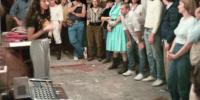
Adrian Piper's "Funk Lessons" (1982-84) was a series of performances and collaborative events in which the artist taught white participants about black funk music, its culture, and its history, aiming to deconstruct stereotypical ideas about Black culture.
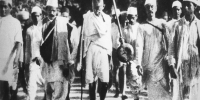
In 1930, the Indian National Congress adopted satyagraha (essentially, nonviolent protest) as their main tactic in their campaign for independence. Mahatma Gandhi was appointed to develop a plan of action; he proposed marching to the sea to make salt in defiance of the Salt Act of 1882.
This action, to be released to the wider public this Friday, March 15th, was the design of t-shirts in support of British Charity, Comic Relief, an organization dedicated to bringing positive and lasting change to vulnerable youth communities in Europe (specifically in the U.K.) and various countries in Africa and, most critically, addressing the root causes of their poverty.