In late January 2009, a group of 40 members of right-wing Hindu group Sri Ram Sena attacked women and men in a pub in the Indian city of Mangalore. They were upset with the women for engaging in behavior they found immoral, claiming that the girls were disrepecting traditional Indian values. Video footage of the event spread across Youtube in India, sparking outrage among many at the attack on innocent women.
As the No. 59 bus hurtled down Ratchadamnoen Klang road in Bangkok's Old Town, its passengers diverted their attention from the intense midday heat to a small crowd on the concrete below. About 25 people were marching and chanting, photographers scuttling in front of them.
In the country formerly known as Burma, these free thinkers are a force in the struggle for democracy.
By Joshua Hammer
Photographs by Adam Dean
Smithsonian Magazine, March 2011
The Kiss of Love campaign in India is a non violent protest against moral policing. It started out as a Facebook page but gained momentum across India when a mob of conservative, right-wing party members attacked and demolished a coffee shop in Kozhikode, Kerala. Their grounds to do so was public display of affection by couples inside the coffee shop, which they saw as immoral activity.
As climate change worsens, so will our collective sense of loss. Coastlines, cities, crops, and entire species will disappear. Artist Catherine Young has created a perfume line that bottles up the scents of things we enjoy today, but will be diminished–or gone–soon enough. During exhibitions, visitors are allowed to smell the perfumes.
In 1989, playwright, actor, and activist Safdar Hashmi was fatally attacked by political thugs while performing a street play outside of Delhi. His death led to the founding of Sahmat, an influential artist collective that has taken a consistent stance against the threats of religious fundamentalism and sectarianism in India through a vibrant mix of high art and street culture.
It all began during Claudia's final art project at the London College of Communication, where she delved into the issue of "sexual objectification of women," a topic close to her heart as she navigated her womanhood.
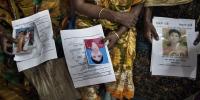
On April 24, 2013, more than 1,000 lives were taken in the Rana Plaza Collapse. While history remembers this tragic event as the deadliest garment factory accident, activist and photographer Taslima Akhter reveals a story of dreams crushed by structural murder. Dedicating her career to the lives and struggles of garment workers in Bangladesh, she has continued to foster a community rallying together for safer working conditions.
A group of women walked from Barisal, Bangladesh to Khulna to join up with the long march that was crossing the city that day. By long, I really mean long: this march traveled a distance of 145 kms, walking most of the way, meeting people, holding street meetings and telling people why the Rampal coal plant shouldn’t be built in the Sundarbans.