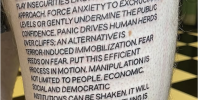
tattoo on someone's thigh which reads "FEAR IS THE MOST ELEGANT WEAPON. YOUR HANDS ARE NEVER MESSY. THREATENING HARM IS CRUEL. WORK INSTEAD ON MINDS AND BELIEFS. PLAY INSECURITIES LIKE A PIANO. BE CREATIVE IN APPROACH. FORCE ANXIETY TO EXCRUCIATING LEVELS OR GENTLY UNDERMINE THE PUBLIC CONFIDENCE. PANIC DRIVES HUMAN HERDS OVER CLIFFS; AN ALTERNATIVE IS TERROR-INDUCED IMMOBILIZATION. FEAR FEEDS ON FEAR. PUT THIS EFFICIENT PROCESS IN MOTION.
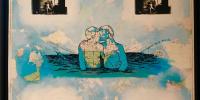
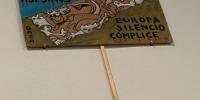
This piece is fascinating because of its use of just a few words and country names, muted colors, and the recreation of famous art. The artist used this canvas to depict a concern about events happening in the Gaza strip.
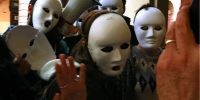
On a warm summer afternoon in the Italian city of Bologna, a group of around 15 young people march through the crowded city centre to a high-end pastry shop in Strada Maggiore.
Filmmaker Michael Moore has called for a nationwide boycott of Walgreens after the pharmacy chain announced it would not sell abortion pills in 20 states.
n February, 20 Republican state attorneys general wrote to Walgreens Corp. threatening legal action if Walgreens provides the abortion pill, mifepristone, to consumers in their pharmacies across the U.S.
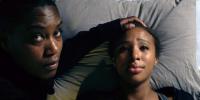
Dawn Jones Redstone’s short film about reproductive justice features women of color leading the resistance.
The year is 2023.
Health care of any kind is highly inaccessible and in some cases outlawed.
Public utilities such as water are privatized and severely restricted.
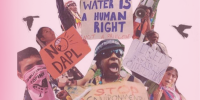
Streets are filled with protesters clutching signs that say “Water is a human right” and chanting “Whose streets? Our streets.”
With an estimated four million surveillance cameras, Britain is by far the most-watched nation on earth. Every Londoner is on camera about 300 times a day. How could this come about in George Orwell’s mother country? What were the ignition sparks for this development? Why haven’t other nations copied the schemes if they really are as successful as the Home Office and the police are saying?
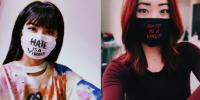
Activists fighting coronavirus-driven hate crimes are rallying on social media to turn masks into a symbol, rather than a target in racist attacks
Jeff Elder Apr 6, 2020, 2:03 PM
Activists against COVID-19-related hate crimes are leading a social media campaign using images of people in masks to fight back against attacks on Asian-Americans, which Congress and the FBI say are increasing.
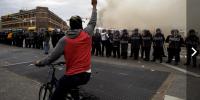
The two sources linked in this post are separate reviews of the incident currently occurring in Baltimore. It illustrates the factor of hindsight.... what supposedly began as a peaceful protest, in one article, is portrayed as clearly intended to fight back for #blacklifesmatter... however, "(CNN)The arrest and death of Freddie Gray in Baltimore has stoked protests and accusations of police brutality.
The user muchachafanzine on instagram is an activist who writes a "decolonial native xicana feminist fanzine". They are an online activist and they spread their message through their page, the zine, and through merchandise. Daisy Salinas began Muchacha Fanzine as a feminist punk zine in 2011. Over the years, Muchacha has grown into a larger, submission-based compilation of work by marginalized voices from around the world.
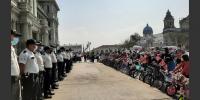
Non-profit organizations and a multitude of Guatemalan girls protested together demanding justice and security from the government. Guatemala's insecurity and cases of girls' disappearances have increased over the years. The protest started outside the Government Ministery (Ministerio de Gobernación) early in the morning, where protestors gathered riding their bikes.
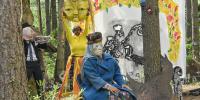
The Insurrection-Resurrection Service Circus is this summer’s [started in 2020 and is ongoing] contribution to the iconic Bread and Puppet Circus tradition beloved by audiences worldwide for nearly 2 generations — a bright, raucous melee of short acts governed by a brass band, addressing the heart of the current moment using diverse puppetry styles and spanning many moods, from slapstick to the sublime.
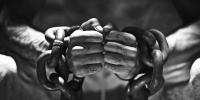
The kidnapping and enslavement of African people was the life-blood of transnational corporations like the "Royal African Company." In law, these human resource corporations were called "artificial people." Their human cargo was called "cargo."
Close to 100 artists and activists staged a protest at the Brooklyn Museum yesterday afternoon in response to displacement — both in Brooklyn and Palestine.
To state or chant ‘BLACK LIFE’S MATTER’ is not to say other lives don’t matter, it’s a reminder that four hundred years and counting, black lives didn’t matter enough. Not during the dark era of slave trade and its horrors on the African, not after slavery ended and blacks were left holding the short end of the stick.
In the country formerly known as Burma, these free thinkers are a force in the struggle for democracy.
By Joshua Hammer
Photographs by Adam Dean
Smithsonian Magazine, March 2011
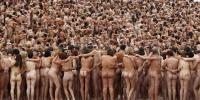
Calling all feminist activists, nudists, Cleveland-based Democrats, and people overdue for a laundry day. Photographer Spencer Tunick is looking for 100 bold women to pose nude for a Cleveland-based photo shoot on July 17, 2016.
Also — you’ll be baring all at the Republican National Convention.
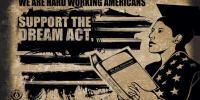
The federal DREAM Act is back. This week Illinois Sen. Dick Durbin, the longtime champion of the bill, chaired the first ever Senate hearing on the narrow legalization effort that would allow a select population of undocumented youth a pathway toward citizenship.
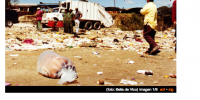
Regina Galindo is a Guatemalan performance artist that uses her body as a means to explore many of the human rights violations in Guatemala. In one of her performances, " no perdemos nada con nacer," or " we don't lose anything by being born," the artist "disposes" of herself in a plastic bag.
The Cowboy and Indian Alliance, a coalition of indigenous tribes, ranchers, farmers, stages a protest named "Reject and Protect" against the Keystone XL oil pipeline project along the Keystone XL tar sands pipeline route, as a part of series of demonstrations around the Capitol Hill in Washington D.C., capital of the United States, April 22, 2014, on the occasion of the World Earth Day.
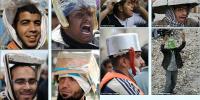
from "Laugh, O Revolution: Humor in the Egyptian Uprising" by Anna Louie Sussman, in 2011.
Revolutions can be messy. They can be tragic. As long as the Internet is working, they can be tweeted. And, as Egyptians demonstrated during their 18 days of protest, they can also be funny.
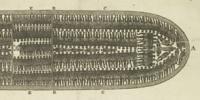
This diagram of the 'Brookes' slave ship is probably the most widely copied and powerful image used by the abolitionist campaigners. It depicts the ship loaded to its full capacity - 454 people crammed into the hold.The 'Brookes' sailed the passage from Liverpool via the Gold Coast in Africa to Jamaica in the West Indies.
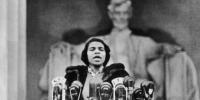
Marian Anderson, the legendary African American contralto, sang at the Lincoln Memorial on Easter Sunday in 1939 after she was refused a performance at Washington’s Constitution Hall by the Daughters of the American Revolution because she was black. Over 75,000 people attended the performance, which was broadcast live on the radio and arranged in part by First Lady Eleanor Roosevelt with the support of her husband, President Franklin D.
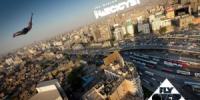
A year after the revolution, Egypt is still in conflict, still grasping for a catalyst to solidify its society and bring unity and peace to the people. Violence, poverty and unemployement are still rampant, and the voiceless still seek a voice.
As was the case in 2011, Hip Hop has reemerged as a voice for the Egyptian youth for 2012, with new challenges and frustrations countering their struggle for freedom and equality.
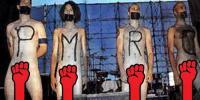
When Rage Against the Machine arrived in Philadelphia to play their 15-minute set as part of Lollapalooza ’93, the Los Angeles band knew they had a problem. Zack de la Rocha, the band’s incendiary frontman who was as outspoken on the mic as he was loud in his cadence, had no voice. A month of playing shows on a tour to support their self-titled debut album released the previous November had taken its toll on the frontman’s vocal cords.